Lewisham Council permit rules for Hither Green removals: what you need to know before moving day
If you are planning a move in Hither Green, the permit question usually turns up right after the excitement wears off. Where will the van stop? Do you need a bay suspension? What happens if the street is tight, busy, or lined with residents' bays? That is where Lewisham Council permit rules for Hither Green removals become genuinely important. A good moving day is not just about boxes and muscle; it is also about parking, access, timing, and avoiding an expensive, slightly stressful surprise at the kerb. Truth be told, many of the delays people remember most come from the pavement outside the front door.
This guide explains the basics in plain English: why permits matter, how they usually fit into a local move, where people trip up, and what a sensible step-by-step process looks like. You will also find a practical checklist, a comparison of common parking options, and a few local moving tips that can save time on the day. If you are comparing removal support too, you may find it helpful to look at the full services overview, man and van support in Hither Green, and pricing and quotes as you plan.
Why Lewisham Council permit rules for Hither Green removals matter
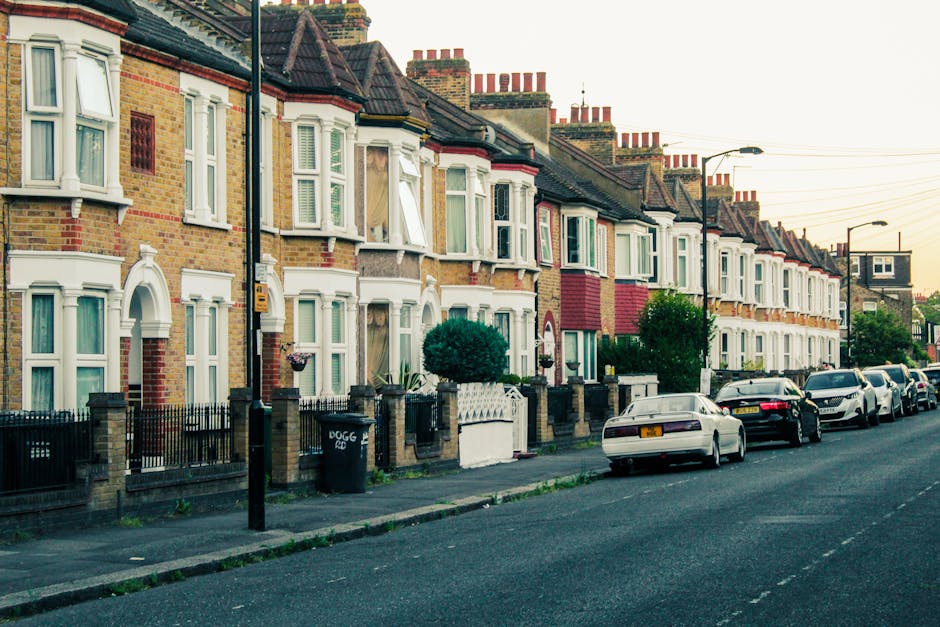
Parking rules can make or break a removal. In Hither Green, streets vary a lot. Some are easy enough for a small van to pull in and load quickly. Others are narrow, busy, or controlled by bays and time restrictions. If a vehicle parks where it should not, the move can stall, neighbours can get annoyed, and the risk of a penalty climbs. Nobody wants to be carrying a wardrobe halfway down the road because the van had to move. Been there, or at least seen it happen more than once.
The main reason these rules matter is simple: removals usually need short, predictable access. The van needs to be close to the property, the loading team needs room to work, and the route from front door to vehicle should be as direct as possible. If you get the access wrong, even a well-organised move starts to unravel. You may face longer carrying distances, extra labour, and a more exhausting day overall.
There is also the neighbour factor. Hither Green is a lived-in part of south-east London, not an empty industrial estate. Parking across driveways, blocking bays, or occupying a restricted space without the correct permission can create friction quickly. In practice, a small bit of planning helps everyone. It keeps the move calm, it keeps the street usable, and it gives the removal team room to work safely.
Key takeaway: permit planning is not a bureaucratic extra. It is one of the most practical parts of a smooth Hither Green move.
How Lewisham Council permit rules for Hither Green removals works
To keep things straightforward, think of the permit process in two parts. First, you need to understand the parking situation outside the property. Second, you need to decide whether the vehicle can legally stop there for the time required. If the answer is no, or if the area is controlled in a way that makes loading awkward, you may need to arrange permission in advance.
That permission may involve a bay suspension, a dispensation, a temporary parking arrangement, or another local parking control measure, depending on the street and the circumstances. The exact terminology can vary, and that is where many people get stuck. In everyday terms, the goal is the same: make sure the removal vehicle is allowed to load or unload where it needs to.
One thing that surprises people is that the most suitable parking spot is not always directly outside the front door. Sometimes the best option is a legal bay a short walk away. Sometimes a quieter side street works better. And in a few cases, the moving team needs to schedule around busier times to avoid traffic pressure. The best solution is not always the shortest one, which feels a bit backwards at first.
If you are moving a flat, a first-floor property, or a home with a long hallway and awkward stairs, access planning matters even more. A few extra metres of carrying distance can add up fast. For practical loading insight, it can help to read loading tips for SE13 flat moves and the Hither Green village access guide for removals and parking.
Key benefits and practical advantages
It may sound dull on paper, but getting the permit and parking side right delivers very real benefits. You notice them most on moving day, when things are busy and everyone is juggling a dozen small tasks.
- Less delay: a legally planned parking spot means the van can load without unnecessary stops and starts.
- Lower risk of penalties: correct permissions reduce the chance of parking tickets or enforcement issues.
- Safer handling: shorter carry distances reduce strain and improve safety for everyone involved.
- Better time control: when access is sorted, the move tends to stay on schedule more easily.
- Less neighbour disruption: clear planning helps avoid blocked drives, awkward shouting across the road, and that tense "can you move it?" moment.
There is also a quieter advantage: confidence. When you know the van has a proper place to stop, you can focus on the move itself. That matters more than people think. One small uncertainty about parking can wobble the whole day, especially if you are already tired, overscheduled, or dealing with last-minute packing. It is one less thing to think about, and honestly that is worth a lot.
Who this is for and when it makes sense
Permit rules are relevant for more people than you might expect. You do not need to be moving a giant house to benefit from planning. In fact, smaller moves can be just as sensitive because they often happen in tighter windows and with fewer helpers.
This topic matters especially if you are:
- moving from a flat or maisonette in Hither Green;
- living on a street with residents' parking or controlled bays;
- booking a larger removal van that will need more kerb space;
- moving at short notice and need a same-day or rapid plan;
- handling furniture, a piano, or bulky items that require close vehicle access;
- trying to avoid parking fines, delays, or unnecessary lifting distances.
Students and renters often underestimate this. They assume a small van can "just stop outside" and sort itself out. Sometimes that happens. Sometimes it really does not. For a more tailored approach to compact or time-sensitive moves, student removals in Hither Green and same-day removals in Hither Green can be especially useful references.
It also makes sense for offices and business premises. Office equipment, furniture, and archive boxes are not fun to drag any further than necessary. If you are relocating a workspace, office removals in Hither Green can help you think about access with less guesswork.
Step-by-step guidance
If you want the simplest possible process, use this order. It avoids the awkward "we should probably have checked that earlier" moment.
- Identify the exact loading point. Stand outside the property and look at the road markings, bay signs, and any restrictions. Do not rely on memory alone.
- Check how long the vehicle will need. A quick one-bedroom move is different from a full house or a bulky furniture job.
- Decide whether access is likely to be a problem. Narrow street? Busy road? Permit-only bays? That is your clue to plan early.
- Speak to the removal provider. A good mover will tell you what information they need and what sort of parking setup is realistic.
- Confirm whether a council permission or parking adjustment is needed. If so, do not leave it until the last minute. It is rarely worth the gamble.
- Prepare the property for fast loading. Boxes should be sealed, furniture cleared, and access routes kept tidy.
- On the day, keep the contact details handy. If a bay is occupied or traffic changes the plan, quick communication helps a lot.
A small but useful detail: try to walk the route from the front door to the van with your eyes before moving day. Is there a low wall? A step? A parked car that could block the path at the wrong moment? These little things can become big things when you are carrying a sofa at 8:15 in the morning. Rather inconvenient, that.
For packing support that links nicely with this process, see packing and boxes in Hither Green and step-by-step packing techniques for a smooth house move.
Expert tips for better results
After enough local moves, a few patterns become obvious. The best results usually come from small decisions made early.
- Plan for the worst case, not the best case. If the ideal bay is already taken, what is your fallback?
- Allow a little time slack. Traffic, neighbours, or lift access can all nudge the schedule.
- Keep heavy items close to the exit. A long internal carry is where fatigue sets in.
- Use the right vehicle size. Too small means repeat trips; too large may be harder to park.
- Choose the loading time carefully. Early morning can be quieter, but only if the street and the building suit it.
- Protect walking routes. Mats, door stoppers, and clear floors make a surprising difference.
One practical observation from local moves: residents often think "parking" is a single issue, but it is really a chain of mini issues. Space, timing, access, and neighbour awareness all connect. Break one link, and the rest can wobble.
If you are handling bulky furniture, a sofa, or a bed, a little specialist advice goes a long way. You may find furniture removals in Hither Green, best practices to protect your sofa in storage, and how to move a bed and mattress smoothly useful in the run-up.
Common mistakes to avoid
The biggest mistakes are usually not dramatic. They are the sort of mistakes that feel small until they are not.
- Assuming the street is fine because it looks quiet. Quiet does not always mean unrestricted.
- Leaving parking decisions until the morning of the move. That is when stress starts multiplying.
- Forgetting to account for the actual size of the van. A larger vehicle needs more space than a car-sized solution.
- Blocking access with packed boxes or furniture. A tidy loading path saves time and backs.
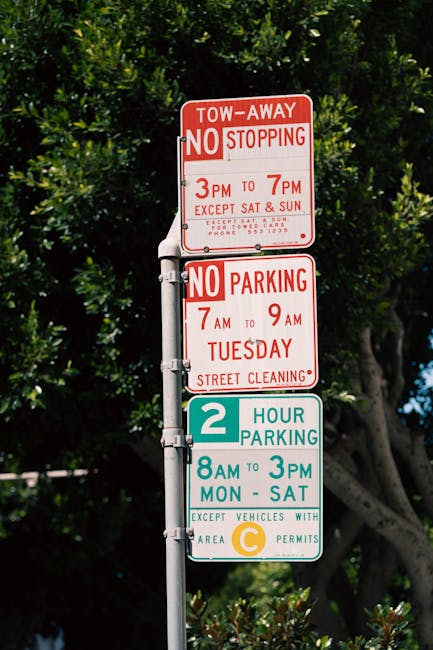
- Not checking whether a parking bay is time-limited or permit-only. The sign is the sign. It may be boring, but it matters.
- Overlooking neighbouring properties and driveway access. One unhappy neighbour can make the morning feel much longer.
Another common error is being too confident about same-day flexibility. Yes, some moves can be arranged quickly, but parking still needs to make sense. If you need short notice help, it is worth looking at same-day removals in Hither Green when delays happen and common problems when booking a Hither Green man and van service so you can spot the usual snags early.
Tools, resources and recommendations
You do not need a complicated toolkit to manage this well. A few simple things are enough.
- A printed moving plan: keep the address, timings, and key access notes on one sheet.
- Photos of the street and bays: these can help when discussing the setup with a mover.
- Basic measuring tape: useful if you are checking whether a van can stop safely and leave room.
- Sticky notes or labels: helpful for marking what needs to go first once the van is positioned.
- Strong boxes and wrap: less time wasted reworking fragile items on the pavement.
There is also a value in using specialist moving guidance rather than winging it. A good local mover will understand the practical side of access, timing, and loading. If you want a broader sense of what is available, removal services in Hither Green, removals in Hither Green, and removal companies in Hither Green are useful starting points for comparing support.
For people trying to cut clutter before the move, the decluttering guide is a solid companion read. Less stuff, less loading time, fewer parking headaches. Simple, really.
Law, compliance, standards, or best practice
When people talk about permit rules, they are usually talking about a mix of council parking controls, local traffic management, and practical loading permissions. The exact requirements can depend on the street, the time of day, and the type of vehicle being used. It is best to treat this as an operational compliance issue rather than a vague admin task.
In plain terms, the mover and the resident should both aim to follow the local parking restrictions rather than work around them. That means:
- checking bay signs and road markings carefully;
- respecting controlled parking zones and loading limits;
- allowing enough time for loading without overstaying;
- avoiding obstruction of driveways, crossings, and emergency access;
- keeping to safe lifting and handling practices during the move.
There is also a safety side to this. Parking too far away can lead to overlong carries, rushed lifting, and avoidable strain. A move should be efficient, yes, but not careless. If you are moving anything awkward or heavy, it is worth checking a smart guide to heavy objects and the health and safety policy for the broader approach to safe handling.
Best-practice note: if the parking plan feels uncertain, sort that uncertainty before the move, not during it. That is where small problems become expensive.
Options, methods, or comparison table
Not every move needs the same parking strategy. Here is a simple comparison of the most common approaches.
| Parking or access option | Best for | Strengths | Watch-outs |
|---|---|---|---|
| Direct kerbside loading | Short moves, quieter streets, easy access | Fastest loading, least carrying | May not be available on restricted streets |
| Controlled bay or managed loading spot | Areas with parking controls | More predictable if arranged properly | Requires planning and correct timing |
| Nearby legal street parking | Tight roads or busy residential areas | Flexible backup when the front door space is limited | Longer carry distances and more labour |
| Timed access with a smaller van | Flats, student moves, compact loads | Easier to position and often more nimble | May need multiple runs if the load is larger than expected |
For many Hither Green moves, the "best" option is the one that balances legal parking, manageable carrying distance, and realistic timing. Not the fanciest option. Just the one that actually works.
Case study or real-world example
Here is a very typical local scenario. A couple moving from a second-floor flat near a busy residential road assumed they could park directly outside for half an hour. The street looked manageable at 7am when they first checked it. By mid-morning, though, vehicles had filled the safer spots, and the closest bay was no longer free. The removal team could still work, but the carry route became longer than expected.
What changed the outcome was not luck. It was a quick reset. They shifted the loading window earlier, cleared the hallway properly, and reserved a more realistic parking position a short distance away. The move still took work, obviously, but it became orderly instead of chaotic. You could hear the rhythm of it from the pavement: box, pause, box, pause, no panic.
The lesson is quite simple. Good parking planning does not have to be perfect. It just needs to be realistic. And in local removals, realistic beats optimistic almost every time.
Practical checklist
Use this checklist the day before your move. It keeps the permit and parking side from being forgotten in the rush.
- Confirm the exact property address and loading side of the road.
- Check local bay signs, time limits, and any residents' restrictions.
- Decide where the vehicle will stop if the first-choice spot is taken.
- Tell the removal team about stairs, lifts, narrow hallways, or long carries.
- Keep fragile items packed and clearly labelled.
- Make sure the doorway, hallway, and stairwell are clear.
- Move parked cars if they will block the access route.
- Keep a phone charged so you can answer quickly on the day.
- Have water, tape, and a marker pen nearby. Small things, but useful.
- Recheck the plan if the weather, traffic, or timing changes.
If you need a little extra organisation before the move, package your items and wait for us to come can be a helpful reminder to get boxes ready early, while delivery at the best time for you is a good mindset for scheduling a practical collection window.
Get a free quote today and see how much you can save.
Conclusion
Lewisham Council permit rules for Hither Green removals are really about making the day work properly. When you understand the parking setup, plan access carefully, and leave a bit of room for the unexpected, the move feels much less like a scramble. That is especially true in Hither Green, where street layouts and parking controls can change the shape of the job more than people first expect.
If you take one thing from this guide, let it be this: parking is part of the move, not an afterthought. Plan it early, keep it legal, and make it easy on yourself. Your back will thank you, the van team will thank you, and the neighbours probably will too. And once the last box is in, that strange little silence of an emptied room starts to feel like a fresh beginning. Nice feeling, that.
Frequently Asked Questions
Do I always need a permit for removals in Hither Green?
Not always. It depends on the parking restrictions on your street, the size of the vehicle, and whether the van can legally stop long enough to load or unload. Some moves need a formal parking arrangement, while others can be handled with existing legal space.
What happens if the van cannot park near my property?
The team may need to use a nearby legal parking spot and carry items further. That can add time and physical effort, so it is worth planning a backup spot in advance. A long carry is rarely ideal, but it is manageable when expected.
How far in advance should I check the parking rules?
As early as possible. A few days before the move is sensible, and sooner is better for busier streets or more complex flats. The earlier you check, the easier it is to adjust the plan if needed.
Can a removal company sort the parking plan for me?
Some can help guide you, but you should still confirm the street conditions yourself. The person who lives there usually knows the area best. A good mover will ask the right questions, though, and that makes a big difference.
Are same-day removals harder to arrange because of parking?
They can be. Same-day jobs are often more sensitive to whatever parking is already available. If the street is controlled or busy, access planning becomes even more important. That said, a well-handled short-notice move is absolutely possible.
What kind of properties usually need the most planning?
Flats, maisonettes, properties on narrow residential roads, and homes with no easy front-of-house stopping point usually need the most attention. Office premises can also be tricky if access is shared or limited.
Will a bigger van make parking problems worse?
Sometimes, yes. Larger vans need more space and can be harder to position neatly. On the other hand, they may reduce the number of trips needed. It is a trade-off, and the right answer depends on the street and the load.
What should I tell my removals team about access?
Give them the full picture: stairs, lifts, parking restrictions, tight corners, loading doors, and anything awkward about the route. A few extra details upfront can prevent a lot of hassle later.
Does paying attention to permits really save money?
It often does. You reduce the risk of fines, avoid wasted time, and lower the chance of extra handling caused by poor access. Even when no ticket is involved, the practical savings in time and effort can be meaningful.
What is the most common mistake people make with local removals?
Assuming the front of the property will work out on the day. It sounds obvious, but it is a very common slip. Parking signs, bay restrictions, and neighbour access are easy to overlook when you are focused on packing.
How can I make the whole move feel less stressful?
Keep the plan simple, pack early, label clearly, and sort access before the move starts. If you want a calmer process overall, it helps to combine good parking planning with decent packing discipline and realistic timing. That is usually the winning formula.
Where can I get help if I am unsure about my moving setup?
If you are uncertain, speak with a local removal provider and review the access details before moving day. It is much easier to solve a parking question early than to untangle it when the van is already outside and the clock is ticking.