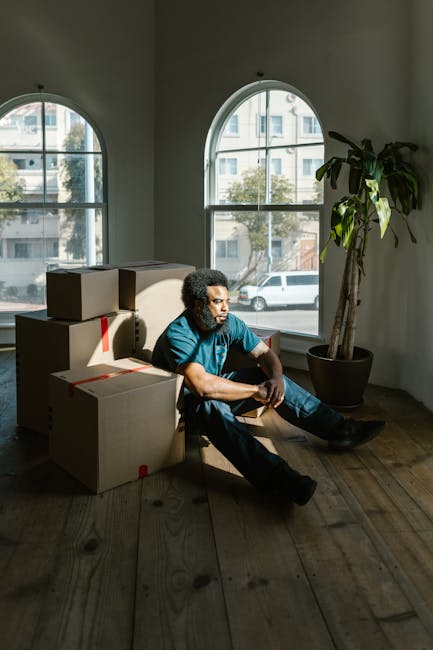
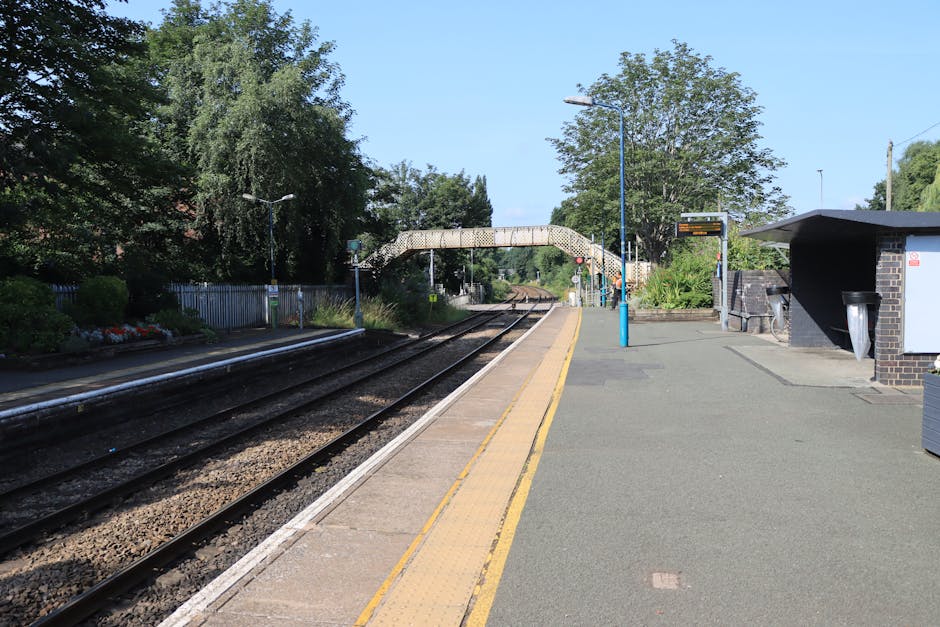
Hither Green Station Moving Guide for Local Removals
If you are planning a move near Hither Green station, the biggest challenge is often not the packing itself. It is the timing, access, parking, and the small bits of local logistics that can turn a straightforward removal into a stressful day. This Hither Green station moving guide for local removals is designed to help you plan calmly and move efficiently, whether you are heading to a nearby flat, a family home, or a storage unit.
Hither Green has its own pace. Train traffic, residential streets, shared entrances, and busy loading areas can all shape how a move should be handled. The good news? With the right preparation, a sensible schedule, and a reliable removal team, local removals around the station can be handled with far less disruption than most people expect.
Below you will find a practical guide covering why this area needs a slightly different approach, how the process usually works, what to book, what to prepare, and how to avoid the common mistakes that cost time and energy. If you want a broader view of available services, it is also worth exploring the full range of removal services in Hither Green before you finalise your plan.
Table of Contents
- Why Hither Green station moving guide for local removals matters
- How the local removals process works
- Key benefits and practical advantages
- Who this is for and when it makes sense
- Step-by-step guidance
- Expert tips for better results
- Common mistakes to avoid
- Tools, resources and recommendations
- Law, compliance, standards and best practice
- Options, methods and comparison table
- Case study or real-world example
- Practical checklist
- Conclusion
- Frequently asked questions
Why Hither Green station moving guide for local removals Matters
Moves around a station area tend to be shaped by practical constraints, not just distance. Hither Green is a good example. Even if you are only moving a few streets away, you still need to think about where the vehicle will stop, how long it can remain there, whether there is a narrow frontage, and how much time you have between train arrivals, neighbours leaving for work, and building access windows.
That is why a local moving plan matters. A small oversight, like booking the van too early or leaving large items to the last minute, can ripple through the entire day. A sofa that will not fit through a doorway, a fridge that was not defrosted, or a missing parking arrangement can quickly take a move from manageable to messy. In other words, the job is local, but the details still matter.
For many households, the most useful mindset is simple: treat the move as a sequence of small jobs rather than one big event. Declutter first, pack in a sensible order, confirm vehicle access, and make sure everyone knows the plan. If you need help with the pre-move sort-out, the advice in this decluttering guide can make a noticeable difference before moving day.
Local removals around Hither Green station are also often faster to complete when items are already organised by room and priority. That saves time, reduces handling, and lowers the chance of damage. It also helps your movers work in a smooth rhythm instead of repeatedly stopping to ask where something belongs. Not glamorous, but very effective.
How Hither Green station moving guide for local removals Works
The moving process near Hither Green station usually follows the same basic structure as any local removal, but the local context changes the way each step should be handled. A typical job starts with an enquiry, followed by a quote, a discussion of access, and a clear idea of how much needs to be moved. From there, the moving team plans the vehicle size, loading approach, and arrival time.
In practical terms, the process often looks like this:
- Initial enquiry: You explain what you need moved, where from, where to, and when.
- Survey or job assessment: The team checks item volume, access issues, stairs, parking, or special handling needs.
- Quote and confirmation: You receive pricing guidance and a service plan.
- Packing and preparation: You box smaller items, protect breakables, and disassemble furniture if needed.
- Collection and loading: Items are moved into the vehicle in a way that protects fragile pieces and uses space efficiently.
- Delivery and placement: Items are unloaded at the new address and placed in the right rooms where possible.
For people who want a more flexible, hands-off approach, some providers offer a simple pack-and-wait style service where you organise the items and the vehicle arrives when expected. If that suits your move, you can look at the option to package your items and wait for the team to arrive.
Timing also matters. If your move needs to fit around a building handover, work shift, or school run, it helps to use a provider that can deliver at a time that works for you. For that kind of arrangement, see delivery at a time that suits your schedule.
One useful distinction: a man and van service is usually ideal for smaller or medium local moves, while a fuller removal service makes more sense for larger household moves, furniture-heavy jobs, or situations with more delicate handling. The right choice depends on volume, access, and how much support you want.
Key Benefits and Practical Advantages
Choosing a local removal plan tailored to the station area offers several practical advantages. The most obvious is efficiency. When your movers already know the local road patterns and likely access constraints, they can plan better and waste less time circling for space or adjusting the load on the fly.
Other benefits are easy to overlook until moving day arrives:
- Less stress: The plan is clearer, so you are not improvising under pressure.
- Better timing: Short local moves can often be completed in a tighter window.
- Lower handling risk: Fewer unnecessary lifts and fewer transfers usually mean less chance of damage.
- More flexibility: Local jobs can often be adapted if your completion time changes slightly.
- Smarter packing: Knowing how close the move is can help you pack only what you need.
There is also a financial angle. A well-planned local move typically uses time and vehicle space more efficiently, which can help keep the job cost-effective. You will still want a proper quote, of course, but good preparation tends to pay off.
For bulky items, the advantage of expert handling becomes even clearer. Sofas, wardrobes, white goods, and mattresses are awkward enough on their own; in a station area with tighter access, they can be genuinely cumbersome. If you are moving upholstered furniture, these sofa storage and protection recommendations are also useful when you need to keep an item safe before or after the move.
Who This Is For and When It Makes Sense
This guide is for anyone moving to, from, or within the Hither Green station area. That might sound broad, but the needs are genuinely varied. A student moving between shared housing and a studio has very different requirements from a family relocating a three-bedroom home, and both are different again from someone moving only furniture into storage.
It makes particular sense if you are:
- moving from a flat with stairs or limited lift access
- handling a short-notice move
- relocating one or two large items rather than a full household
- moving with children and need a tighter schedule
- trying to coordinate a handover around train times, work hours, or building access
- looking for a practical local option instead of a large, complicated national move
It is also highly relevant if you are comparing man and van services in Hither Green, because that type of service often suits station-area moves where access is straightforward but timing still needs care. If your move is larger, you may prefer a broader house removals service in Hither Green instead.
Truth be told, not every move needs a big team and a big vehicle. Sometimes the smartest decision is simply the one that matches the actual size of the job.
Step-by-Step Guidance
If you want a smoother local move near Hither Green station, break it into stages. That is the easiest way to reduce chaos and keep the day moving.
1. Confirm what is actually going
Start by listing every item you are taking. Be honest. If it is staying, storing, selling, or being donated, decide now. This is where a lot of people lose time. One extra wardrobe can change vehicle size, loading time, and the number of hands needed.
2. Check access before you book
Measure doorways, stair turns, and tight corners. Check whether there is visitor parking, loading space, or a restricted zone outside the property. Around station areas, that access question matters more than people expect. A ten-minute walk from the van can be fine for boxes, but not ideal for a heavy fridge-freezer.
3. Pack by category and room
Good packing is not only about protection; it is about speed. Keep kitchen, bedroom, and office items separate. Label every box clearly. If you want a stronger packing system, the flawless packing guide offers practical techniques that work well for local removals too.
4. Prepare bulky or sensitive items early
Large furniture and appliances deserve their own plan. A mattress should be wrapped cleanly, a freezer should be defrosted in advance, and anything fragile should be padded properly. If you are moving a bed, this bed and mattress relocation guide is especially useful. For a freezer, the timing advice in this storage guide can prevent avoidable mess and odour later.
5. Load in the right order
When the team arrives, the van should be loaded with weight distribution in mind. Heavy, solid items go in first; fragile items are secured later; essentials are kept accessible if possible. A sensible loading sequence saves time at both ends of the move.
6. Do a final sweep before leaving
Check cupboards, loft spaces, the back of wardrobes, and sockets behind appliances. The forgotten charger, document folder, or remote control is often found in the last five minutes. There is always one, usually hiding in plain sight.
Expert Tips for Better Results
In our experience, the best local removals are the ones that feel almost boring on moving day. That usually means the planning was strong. Here are a few expert-level habits that genuinely help.
- Book around real access, not just availability. If the street is easier to use before the school run or after the morning peak, take that into account.
- Keep one essentials bag separate. Phones, medication, chargers, keys, tea bags, toilet roll, and basic documents should not vanish into a box mountain.
- Use proper lifting techniques. If you are moving anything yourself, follow safe lifting practice and avoid twisting under load. For a plain-English explanation, see what kinetic lifting means in practical terms.
- Protect surfaces early. Door frames, corners, floors, and stair rails can all take accidental knocks. A few minutes of protection is well spent.
- Separate valuables and documents. Carry these personally where possible.
- Tell the movers about awkward items. If a piano, antique chest, or over-sized bookcase is involved, mention it early. For fragile specialist items, professional piano moving guidance is worth reading before you decide how to proceed.
If you want to reduce physical strain, especially with heavier items, it is sensible to leave the awkward lifting to trained help. A short move can still produce long-lasting aches if it is handled poorly. The guide to lifting heavy things solo is useful if you need to understand where the limits are.
Another practical point: if you are moving from a smaller property, such as a studio or one-bedroom flat, a streamlined service may be the best fit. The dedicated flat removals option is often the right balance of speed and support for that sort of move.
Common Mistakes to Avoid
Most moving problems come from the same handful of errors. The upside is that they are avoidable if you know what to watch for.
- Leaving packing until the night before: This nearly always leads to poor organisation and more fragile items being rushed.
- Underestimating item volume: A "few bits" can become a full van very quickly.
- Ignoring access details: Steps, narrow gates, and parking restrictions are not minor details; they shape the whole job.
- Forgetting to defrost appliances: This can create leaks and delays.
- Not labelling boxes clearly: Unclear boxes slow unloading and unpacking.
- Booking a service that is too small: That can lead to multiple trips, which often costs more time than expected.
- Trying to lift dangerous items alone: This is where many preventable injuries happen.
One of the less obvious mistakes is assuming a local move is automatically simple. Short distance does not always mean easy access, and it does not remove the need for planning. A well-organised 20-minute move can be far smoother than a badly planned one across the street.
If you want to avoid the "where did we put the kettle?" problem on arrival, keep a clearly labelled essentials box separate from the rest of the load. It sounds basic because it is basic. And it works.
Tools, Resources and Recommendations
A few simple tools can make a local move far easier. You do not need a warehouse of equipment, just the right basics.
- Strong boxes and tape: Use boxes that suit the weight of the contents. Small boxes are better for books and heavier items.
- Furniture blankets or padding: These help protect polished surfaces, edges, and corners.
- Marker pens and labels: Mark rooms, contents, and whether a box is fragile.
- Gloves and sturdy footwear: Helpful for anyone helping on moving day.
- Basic tools: Screwdrivers, Allen keys, and zip bags for screws and fittings.
- Trolley or sack truck: Useful for heavier items where access allows.
If you need packing supplies or just want to understand how good packing is done, the packing and boxes service in Hither Green is a sensible place to start. For anyone planning a larger move, the local removal van option can provide the right vehicle setup without overcomplicating the job.
Storage is also worth considering if completion dates do not line up neatly. Even a short-term gap can make a move feel much easier when you are not rushing everything into the new place all at once. If that sounds familiar, take a look at storage options in Hither Green.
For people who prefer a more guided service rather than handling every detail themselves, the man with a van in Hither Green option can be a practical middle ground. It is often ideal when you need help without booking a full-scale move.
Law, Compliance, Standards and Best Practice
Most local removals are straightforward, but good practice still matters. Reputable removal teams should work safely, handle items responsibly, and be clear about what is included in the service. In the UK, customers generally expect transparent pricing, sensible communication, and careful handling of belongings. That is not special treatment; it is the baseline.
For your own part, it helps to know a few common expectations:
- Insurance and safety: Ask how goods are protected during transit and what cover is in place. If you want the detail, the insurance and safety information is worth reviewing before you book.
- Terms and conditions: Read them carefully so you understand timing, access assumptions, and cancellation terms.
- Health and safety: Safe lifting, clear walkways, and good handling procedures should be standard. The health and safety policy provides a useful reference point.
- Waste and disposal: Do not assume the removal team can take every unwanted item without prior agreement.
- Environmental practice: Reuse, recycling, and responsible disposal are increasingly expected, especially when moving furniture or packaging materials. For more on this, see recycling and sustainability practices.
If your move is time-sensitive or includes same-day collection, confirm the scope clearly in advance. A reliable same-day arrangement can be a lifesaver, but only if the vehicle size, route, and loading plan are realistic. That is where a local provider's experience really earns its keep.
For less complicated jobs, a trusted removal services overview can also help you understand standard service expectations, even if your move is taking place in Hither Green rather than Hillingdon.
Options, Methods, or Comparison Table
Choosing the right type of move is often easier when you compare the options directly. The table below outlines common approaches for local removals near Hither Green station.
| Option | Best for | Main advantage | Potential limitation |
|---|---|---|---|
| Man and van | Smaller local moves, a few large items, student moves | Flexible and cost-conscious | May be less suitable for very large households |
| Full house removals | Family homes, multi-room moves, heavier furniture loads | More support and better capacity | Can be more involved to plan |
| Flat removals | Upper-floor properties, apartments, compact homes | Suited to access constraints | Stairs or narrow access still need planning |
| Same-day removals | Urgent changes, short notice, unexpected availability shifts | Speed and responsiveness | Less room for complex preparation |
| Storage-assisted move | Gap between dates, downsizing, staging a property | Reduces pressure on move day | Requires an extra planning step |
For students or renters in the area, the most sensible route is often a smaller, faster service. The local student removals option can be a better fit than a larger household setup when your load is mainly boxes, a bed, and a few bits of furniture.
If you are moving delicate upright instruments or specialist furniture, do not treat them like ordinary boxes. A piano, for example, belongs in its own planning category. The specialist page on piano removals in Hither Green is a better match than a general man and van booking in that case.
Case Study or Real-World Example
Consider a realistic scenario: a couple moving from a first-floor flat near Hither Green station to a terrace a short drive away. They have a sofa, a bed, a dining table, a washing machine, several boxes, and a few awkward items in storage. On paper, the move looks small. In practice, it contains stairs, a tight hallway, and a collection of items that need to be handled in the right order.
What made the move work smoothly was not luck. They checked access in advance, measured the bed frame and sofa, packed boxes by room, and reserved a vehicle that suited the actual load rather than the hoped-for load. They also left one box of essentials aside for the first night, which meant no one spent an hour searching for chargers or bedding after unloading.
They also used simple safeguards: furniture covers, taped hardware bags, and a clear loading sequence. The washing machine came out after the boxes, the sofa went in with protection on the corners, and the bed was dismantled before the rest of the room became cluttered. Nothing dramatic. Just sensible planning.
The result was a move that felt controlled rather than chaotic. That is usually the real goal, isn't it? Not perfection. Just a calm day with fewer surprises.
If you are moving a property with multiple rooms or a larger volume of possessions, it may be worth considering a more complete removals service in Hither Green rather than trying to make a smaller setup do too much.
Practical Checklist
Use this checklist in the final days before your move.
- Confirm moving date and arrival window
- Check access, parking, and any building restrictions
- Measure large furniture and doorways
- Book the correct vehicle size or removal service
- Pack and label boxes by room
- Set aside fragile, valuable, and essential items
- Defrost and clean appliances in advance
- Disassemble furniture where practical
- Protect sofas, mattresses, and corners with suitable covers
- Prepare tools, keys, documents, and chargers for easy access
- Tell the team about stairs, awkward items, or heavy objects
- Do a final sweep of cupboards, loft spaces, and behind doors
- Take meter readings if needed
- Keep a first-night box separate
If you want help before the move is booked, the quickest route is usually to review the available services and then reach out for a quote. You can do that through the Hither Green contact page or by checking the pricing and quotes information first.
Key takeaway: the more local and compact the move, the more important it becomes to get the details right. Access, timing, packing, and vehicle choice do most of the heavy lifting before the van even arrives.
Conclusion
A move near Hither Green station does not need to be complicated, but it does need to be organised. The best local removals are built on clear timing, realistic access planning, sensible packing, and the right type of service for the job. When those pieces come together, moving day becomes much easier to manage and far less draining.
Whether you are moving a small flat, a family home, or just a few heavy pieces, the main principle stays the same: prepare early, keep the load manageable, and choose a removal service that fits the actual size and shape of the move. That is how you avoid the last-minute scramble and get through the day with your energy intact.
Get a free quote today and see how much you can save.
Frequently Asked Questions
What is the best way to plan a move near Hither Green station?
Start with access and timing. Check parking, stair access, building rules, and the amount you need to move before you book anything. Then pack by room and keep an essentials box separate. That simple sequence solves more problems than most people realise.
Is a man and van service enough for a local Hither Green move?
Often, yes. If you are moving a smaller property, a few large items, or a moderate number of boxes, a man and van service can be a very practical choice. For bigger homes or heavier furniture loads, a fuller removals service may be more suitable.
How far in advance should I book local removals?
As early as you reasonably can, especially if your move needs to fit around work hours, a handover time, or a weekend slot. Short-notice moves can still be handled, but advance booking usually gives you more choice and a better plan.
What should I do with large furniture before moving day?
Measure it, clear it out, and dismantle it if that is practical. Sofas, beds, and wardrobes often move more easily when they are partially broken down and protected with blankets or wraps. If in doubt, mention the item early so the team can plan for it.
Can removals teams help with flat moves near the station?
Yes. Flat removals are very common in station areas because access can be tighter and the schedule more sensitive. A team that understands flats will be used to stairs, compact entrances, and loading with care.
What if I need same-day removals?
Same-day moves can sometimes be arranged, depending on availability and the size of the job. The more information you can give at the start, the easier it is to confirm whether the timing and vehicle requirements can be met.
How do I keep my belongings safe during the move?
Use proper boxes, secure fragile items, protect furniture surfaces, and label everything clearly. For expensive or awkward items, tell the removal team in advance and ask how they plan to handle them. Good communication is part of good protection.
Do I need to empty and defrost appliances before moving?
Yes, in most cases that is the safest approach. Fridges and freezers should usually be emptied, cleaned, and defrosted ahead of time to prevent leaks and unpleasant surprises during transit.
Are there local storage options if my move dates do not line up?
Yes, storage can be a very useful bridge when one property is not ready on the same day as the other. It takes pressure off the move and gives you more control over what gets delivered when.
How do I know if I need professional help for heavy lifting?
If an item is awkward, heavy, valuable, or difficult to carry safely through your property, professional help is usually the better choice. It reduces injury risk and lowers the chance of damage to both the item and the building.
What is the difference between house removals and man and van services?
Man and van services are generally better for smaller, simpler jobs. House removals are usually the right fit for larger home moves, more furniture, or situations where you need more support from start to finish.
Where can I ask for a quote or more help?
You can start by checking service information and pricing, then send an enquiry through the contact page. That gives you a clearer idea of what is included and whether the service matches your move.